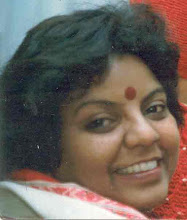
The Dream in White
Nirupama Dutt
A 10 or 11-year-old girl with a long unattractive face, spindly legs and dazed eyes clutching onto her mother’s hand. This is how the Urdu writer Sadat Hasan Manto recalled Nargis, who he saw at a couple of film premiers along with her mother Jaddanbal, a celebrated singer, looking at her, it seemed that either she had just got up from sleep of was falling asleep.
However, this thin, sleepy little girl was to become a legend. Everyone is familiar with this story of how the ungainly duckling turned into the beautiful swan, Starting as a child star in her mother’s film , ``Talash-e-Haq’’, Baby Rani who was later renamed Nargis after a rare and beautiful flower Narcissur, dominated the screen for a decade and half and was called ``The First Lady at the Indian Screen’’.
She rose to great heights and the cine-goers identified her as Mother India’’. She was the first Indian actress to receive the Urvashi award for acting. Her death, by cancer, many years after she quit acting was mourned all over the country and abroad. Rita, the ``Awara’’ girl had made her place in many a heart.
Nargis nostalgia is such that viewers kept awake till late in the night recently to watch a documentary on the life and films of this prima donna of the forties. The film was directed by Priya Dutt, the younger daughter of Nargis, and Sunil Dutt. The documentary was tribute to both Nargis the artiste and Nargis the woman – the ideal wife and mother.
Yet for Nargis and many other film heroines of her times, the artiste and the woman were at odds against each other. The norms of the society made the two roles distinct and heavy price had to be paid for reconciling artistic ambitions with personal satisfaction.
There was a touch of tragic to the heroines of those days. Be it the beautiful Meena kumari who was exploited alike by her husband and lovers and who took to the bottle. Or the sensuous Madhubala who, while being the dream of every man in the country, struggled to find a meaningful personal relationship with a man. She died young, a little after her marriage to Kishore Kumar. Or for that matter, the singing star Suraiya, who after her love for Dev Anand was thwarted by her family, chose a long secluded existence in which rich food became an obsession resulting in obesity while Dev Anand moved from film to film and woman to woman – younger and slimmer than before.
Finding the balance between professional and the personal life was not easy for Nargis too and the inevitable price had to be paid yet, she accomplished a better than other of her times and continued to play an active role on the social cultural and political platforms. She was awarded the Padma Shri and given a nomination to the Rajya Sabha.
But the politic of the personal were not without pain. It was significant to note that every time Sunil Dutt referred to her in the documentary, it was. ``Mrs. Dutt did this…’’ or ``Mrs Dutt did that…’’ it was as though to refer to her as Nargis was to somehow lessen her.
I remember having interviewed Sunil at the Pipli tourist bungalow a month after her death. He had come to perform the last rites at his village near yamunanagar. Every now and then he would say ``well, she was my wife. A wife is a very private person. We don’t talk about our wives.’’
He married her in those days when Mehboob’s ``Mother India’’ was being shot, after having saved her in a fire disaster. He was just a beginner then and Nargis at the peak of her career. Not only Not only was he marrying a more famous person but also a woman with a romantic past with another man. The Nargis-Raj Kapoor romance was all too well known.
The illustrated weekly, in its issue on the Indian cinema, in a feature on women of substance from Raj Kapoor’s dream factory, described her thus: ``With him she went singing in the rain, shot Dilip Kumar down in `Andaz’ when he became a fly in the ointment, bent backwards while he held her in his arms for the RK logo, in a dingy studio, she made love with her eyes at a time when a physical relationship had to be suggested through log distance cooing. In ``Jagte Raho’’ she even gave him water when he was thirsty though the rest of the world wanted to skin him alive. What Nargis did for Raj—Kapoor, a galley slave wouldn’t do for her master. Theirs was a mutual admiration society…’’
Yes, it was the naïve Nargis who took girl-friend and went to Mr. Morarji Desai, who was a Chief Minister then, seeking permission to somehow be allowed to marry the already married man. Of course, she was scolded and shooed away. Raj Kapoor, in the tele-film Simi Grewal made on him said without mincing any words that Nargis was his inspiration and Krishna, his wife and mother of his children. He went onto say that a wife could not be an inspiration and an inspiration could not be a wife.
Perhaps it was this hurt that led Nargis to give up films and all to settle down to a life of domestic ``bliss’’, with her strength, she chose the path of fidelity while Sunil had his share of pos-tmarriage romances from Waheeds Rehman to Reena Roy. He also reaffirmed what dream merchant Raj had felt that a wife cannot he an inspiration, at least not, just by herself.
In the long years after her marriage to Sunil, she never once referred to Raj in any interview and her radio programme of film music for fauji bhai did not have a single song from the RK years. Raj, of course, could talk of her and even indulge in re-living the romance in ``Bobby’’ by reproducing the first time they had met onto the screen. Nargis never objected. There was no need for her world was a full one with a home, a husband’, children, relatives and working with the sick and handicapped.
But sometimes it must have hurt. More so when the whispering publicity campaign during the ``Bobby’’ days was that Dimple Kapadia, who had a faint resemblance with Nargis, was the love-child of Nargis and Raj.
Giving his reason for marrying Nargis, Sunil said in the documentary that she looked after his sister who was ill with tuberculosis and he realized that here was a woman who would look after his relatives who had suffered much. And this dear man, who holds privacy so dear, broadcast the ill dying voice of Nargis sharing private moments with her children and giving them advice on what to do after she was gone.
Perhaps, she would have liked it, for this was the ``Mother India’’ role which she played from the heart. Her marriage was dear to her, and she wanted early marriages for her daughters. There was no question of her wishing Namrata or Priya a career in films.
She did not want her daughters to repeat her life. Though her talent blossomed in films and her creativity touched great heights, yet the women in her had suffered Manto had also written of Nargis ``whenever I see Nargis on screen, I find a strange sadness enveloping her. Earlier, her person had curiosity for life but that seems to be dulled and defeated. Why? Only Nargis can give the answer.’’
Perhaps, this strange sadness was born of being an exceptional woman in a man’s world.
However, this thin, sleepy little girl was to become a legend. Everyone is familiar with this story of how the ungainly duckling turned into the beautiful swan, Starting as a child star in her mother’s film , ``Talash-e-Haq’’, Baby Rani who was later renamed Nargis after a rare and beautiful flower Narcissur, dominated the screen for a decade and half and was called ``The First Lady at the Indian Screen’’.
She rose to great heights and the cine-goers identified her as Mother India’’. She was the first Indian actress to receive the Urvashi award for acting. Her death, by cancer, many years after she quit acting was mourned all over the country and abroad. Rita, the ``Awara’’ girl had made her place in many a heart.
Nargis nostalgia is such that viewers kept awake till late in the night recently to watch a documentary on the life and films of this prima donna of the forties. The film was directed by Priya Dutt, the younger daughter of Nargis, and Sunil Dutt. The documentary was tribute to both Nargis the artiste and Nargis the woman – the ideal wife and mother.
Yet for Nargis and many other film heroines of her times, the artiste and the woman were at odds against each other. The norms of the society made the two roles distinct and heavy price had to be paid for reconciling artistic ambitions with personal satisfaction.
There was a touch of tragic to the heroines of those days. Be it the beautiful Meena kumari who was exploited alike by her husband and lovers and who took to the bottle. Or the sensuous Madhubala who, while being the dream of every man in the country, struggled to find a meaningful personal relationship with a man. She died young, a little after her marriage to Kishore Kumar. Or for that matter, the singing star Suraiya, who after her love for Dev Anand was thwarted by her family, chose a long secluded existence in which rich food became an obsession resulting in obesity while Dev Anand moved from film to film and woman to woman – younger and slimmer than before.
Finding the balance between professional and the personal life was not easy for Nargis too and the inevitable price had to be paid yet, she accomplished a better than other of her times and continued to play an active role on the social cultural and political platforms. She was awarded the Padma Shri and given a nomination to the Rajya Sabha.
But the politic of the personal were not without pain. It was significant to note that every time Sunil Dutt referred to her in the documentary, it was. ``Mrs. Dutt did this…’’ or ``Mrs Dutt did that…’’ it was as though to refer to her as Nargis was to somehow lessen her.
I remember having interviewed Sunil at the Pipli tourist bungalow a month after her death. He had come to perform the last rites at his village near yamunanagar. Every now and then he would say ``well, she was my wife. A wife is a very private person. We don’t talk about our wives.’’
He married her in those days when Mehboob’s ``Mother India’’ was being shot, after having saved her in a fire disaster. He was just a beginner then and Nargis at the peak of her career. Not only Not only was he marrying a more famous person but also a woman with a romantic past with another man. The Nargis-Raj Kapoor romance was all too well known.
The illustrated weekly, in its issue on the Indian cinema, in a feature on women of substance from Raj Kapoor’s dream factory, described her thus: ``With him she went singing in the rain, shot Dilip Kumar down in `Andaz’ when he became a fly in the ointment, bent backwards while he held her in his arms for the RK logo, in a dingy studio, she made love with her eyes at a time when a physical relationship had to be suggested through log distance cooing. In ``Jagte Raho’’ she even gave him water when he was thirsty though the rest of the world wanted to skin him alive. What Nargis did for Raj—Kapoor, a galley slave wouldn’t do for her master. Theirs was a mutual admiration society…’’
Yes, it was the naïve Nargis who took girl-friend and went to Mr. Morarji Desai, who was a Chief Minister then, seeking permission to somehow be allowed to marry the already married man. Of course, she was scolded and shooed away. Raj Kapoor, in the tele-film Simi Grewal made on him said without mincing any words that Nargis was his inspiration and Krishna, his wife and mother of his children. He went onto say that a wife could not be an inspiration and an inspiration could not be a wife.
Perhaps it was this hurt that led Nargis to give up films and all to settle down to a life of domestic ``bliss’’, with her strength, she chose the path of fidelity while Sunil had his share of pos-tmarriage romances from Waheeds Rehman to Reena Roy. He also reaffirmed what dream merchant Raj had felt that a wife cannot he an inspiration, at least not, just by herself.
In the long years after her marriage to Sunil, she never once referred to Raj in any interview and her radio programme of film music for fauji bhai did not have a single song from the RK years. Raj, of course, could talk of her and even indulge in re-living the romance in ``Bobby’’ by reproducing the first time they had met onto the screen. Nargis never objected. There was no need for her world was a full one with a home, a husband’, children, relatives and working with the sick and handicapped.
But sometimes it must have hurt. More so when the whispering publicity campaign during the ``Bobby’’ days was that Dimple Kapadia, who had a faint resemblance with Nargis, was the love-child of Nargis and Raj.
Giving his reason for marrying Nargis, Sunil said in the documentary that she looked after his sister who was ill with tuberculosis and he realized that here was a woman who would look after his relatives who had suffered much. And this dear man, who holds privacy so dear, broadcast the ill dying voice of Nargis sharing private moments with her children and giving them advice on what to do after she was gone.
Perhaps, she would have liked it, for this was the ``Mother India’’ role which she played from the heart. Her marriage was dear to her, and she wanted early marriages for her daughters. There was no question of her wishing Namrata or Priya a career in films.
She did not want her daughters to repeat her life. Though her talent blossomed in films and her creativity touched great heights, yet the women in her had suffered Manto had also written of Nargis ``whenever I see Nargis on screen, I find a strange sadness enveloping her. Earlier, her person had curiosity for life but that seems to be dulled and defeated. Why? Only Nargis can give the answer.’’
Perhaps, this strange sadness was born of being an exceptional woman in a man’s world.